Artificial intelligence may be changing how work gets done, but throughout NAREIM's Talent Management Meeting, held in Chicago this week, one message remained remarkably consistent: the future of work is still fundamentally about people.
 Across discussions on executive coaching, total rewards, AI transformation, and leadership development, attendees explored how organizations are adapting to an increasingly complex workplace.
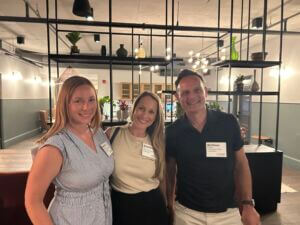
- To view meeting photos, access our Flickr album here.
While every organization is on a different path, the conversations revealed a common priority: preparing leaders, employees, and workplace cultures to navigate rapid change.
The discussions made clear that while technology continues to accelerate transformation, lasting success will depend on organizations that invest in the human side of work.
Human-Centered Leadership is Becoming the Competitive Advantage
As organizations navigate rapid change, attendees agreed that technical expertise alone is no longer enough. Skills such as emotional intelligence, communication, curiosity, adaptability, and coaching are becoming defining characteristics of effective leaders.
Rather than relying on traditional command-and-control leadership styles, many organizations are encouraging leaders to ask better questions, create psychological safety, and help employees develop their own solutions.
"There's a difference between asking questions and questioning someone."
Throughout the coaching discussions, attendees emphasized that curiosity often produces stronger outcomes than immediately offering advice. Helping employees think through challenges themselves builds ownership, accountability, and long-term confidence.
"When people come to the solution themselves with your support, they're much more likely to follow through."
Designing an Employee Experience That Supports Performance
Instead of simply managing rising costs, many organizations are redesigning benefits to improve long-term employee outcomes through preventive care, wellness incentives, financial coaching, transparent communication, and stronger vendor partnerships.
 Compensation discussions revealed a similar emphasis on consistency and transparency. While market conditions have fluctuated in recent years, 83% of attendees said their organizations have not changed their overall pay positioning strategy, and 74% reported no changes to their long-term incentive approach despite valuation shifts.
Additionally, 88% said compensation budgets are established before pay decisions are finalized, highlighting the importance of disciplined planning in today's environment. Recognition also emerged as one of the highest-impact and lowest-cost investments organizations can make.
"You're not waiting for a manager to notice great work. The people working beside you recognize it."
Practical ideas included:
- Expanding peer-to-peer recognition programs
- Investing in financial wellness and mental health resources
- Improving communication around the full value of benefits
- Creating intentional opportunities for connection
- Designing flexibility around business needs
To access the full 2026 Talent Management Meeting takeaways and meeting resources, click here to login to the Info Hub.